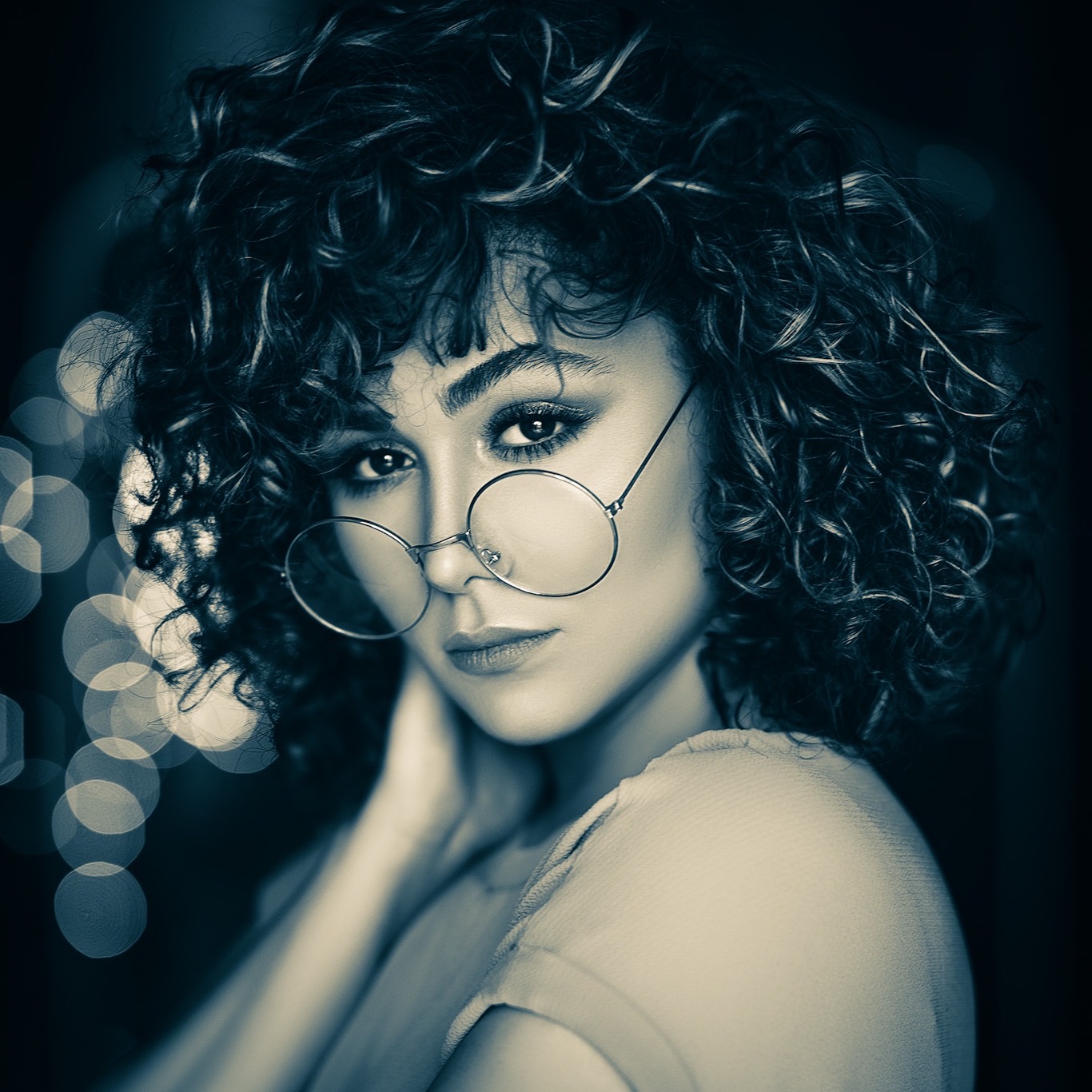
Portrait photography is an art that requires a good understanding of lighting, posing, and composition. In this post, we’ll cover the basics of each of these elements to help you take stunning portraits.
Good lighting is key to creating beautiful portraits. You can use natural light or artificial light, such as a flash or continuous light source. One popular lighting technique is the use of a softbox, which diffuses the light and creates a flattering, even light on the subject. Another option is a reflector, which bounces light back onto the subject to fill in any shadows. Reflectors come in many sizes and colors but are typically inexpensive ways to modify natural light. When it comes to artificial light sources, there are many options available, such as speedlights, strobes, and LED panels. Experiment with different lighting setups to see what works best for your style.
Posing your subject can make a huge difference in the final result of your portrait. One important aspect is to make sure the subject is comfortable, relaxed, and confident. Encourage them to move naturally and provide clear direction if needed. You can also use props or other elements to enhance the pose, such as a chair or a staircase. Sometimes keeping a person moving, even if it’s just their hands, can help avoid the rigid ness that many portraits can have. If you’re photographing a group, make sure to pay attention to the placement and spacing of each person to create a cohesive and visually appealing composition.
You can use different compositional techniques to create interest and balance in your portrait, such as the rule of thirds, leading lines, and symmetry. Pay attention to the background and foreground, and make sure they complement the subject rather than distract from it. Experiment with different angles and distances to find the most flattering composition for your subject.
Some famous portrait photographers to look up include Annie Leibovitz, Richard Avedon, and Steve McCurry. Each of these photographers has a unique style and approach to lighting, posing, and composition that can provide inspiration for your own work.
In terms of equipment, there are many options available for portrait photography. Cameras with full-frame sensors, such as the Canon EOS R5 or the Sony A7 III, are popular choices for their image quality and low-light performance. You can also invest in a good lens, such as a 50mm or an 85mm prime lens, to achieve a shallow depth of field and create beautiful bokeh. Lighting equipment and modifiers, such as softboxes and reflectors, can also be helpful in creating a professional-looking portrait. If I were just starting down this path, i would start with a solid 70-200mm lens and a 3-in-1 or 5-in-1 photo reflector that’s at least 24 inches wide.