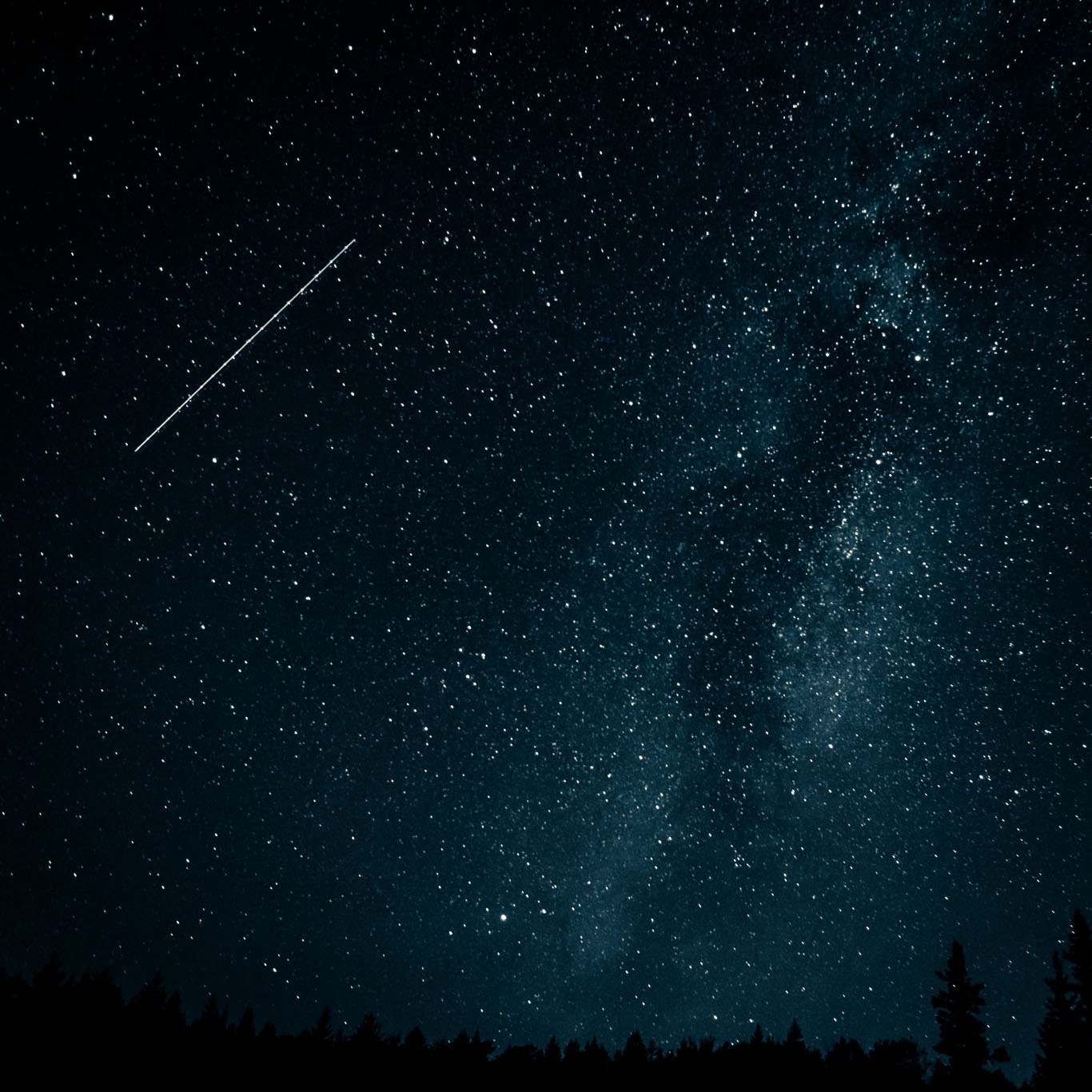
Astrophotography is an exciting and challenging genre of photography that offers a window into the vast and mysterious cosmos. From the mesmerizing Northern Lights to the awe-inspiring Milky Way, capturing the beauty of the night sky requires skill, patience, and some specialized equipment. In this guide, we’ll share some tips and techniques for capturing cosmic phenomena that will help you take your astrophotography skills to the next level.
The first step in capturing the cosmos is to find a dark and remote location with little or no light pollution. The Northern Lights, for example, are best seen in regions close to the Earth’s magnetic poles such as Iceland, Norway, and Canada. The Milky Way, on the other hand, is visible from anywhere in the world but is best seen during the summer months when it’s high in the sky.
When shooting the Northern Lights or Milky Way, you’ll need a camera with a fast lens and high ISO capability. A wide-angle lens with an aperture of f/2.8 or wider is ideal, as it allows you to capture more light and detail in the sky. An ISO of 1600 or higher is also recommended to ensure a bright and well-exposed image.
Capturing star trails, meteor showers, and other fleeting events requires a different approach than shooting the Northern Lights or Milky Way. For star trails, you’ll need a camera with a built-in intervalometer or an external one that can take multiple exposures over a period of time. You’ll also need a sturdy tripod to keep your camera steady during the long exposures.
Meteor showers, on the other hand, are best captured with a fast lens and a wide aperture. A focal length of around 24mm is ideal for capturing a large area of the sky. You’ll also need a tripod and a remote shutter release to avoid any camera shake during the exposure.
Focusing in low light conditions can be a challenge, especially when shooting the stars or the Milky Way. One trick is to use the live view mode on your camera and zoom in on a bright star or planet. Then, manually adjust the focus until the star or planet appears sharp and clear.
To achieve sharpness, it’s also important to use a sturdy tripod and a remote shutter release to avoid any camera shake during the exposure. You can also use the mirror lock-up feature on your camera to minimize any vibrations caused by the mirror.
Stacking and time-lapse techniques can help you create more detailed and creative images of the night sky. Stacking involves taking multiple exposures of the same scene and then merging them together in post-processing to create a single image with more detail and less noise.
Time-lapse, on the other hand, involves taking multiple exposures of the same scene over a period of time and then merging them together to create a video of the movement of the stars or the Milky Way. Both techniques require a camera with a built-in intervalometer or an external one that can take multiple exposures over a period of time.
Here’s a few events to put on your calendar you might want to photograph:
- Perseid meteor shower: visible in mid-August
- Geminid meteor shower: visible in mid-December
- Partial solar eclipse: October 14th, 2023